
In 1914 Rutherford referred to the hydrogen nucleus as a "positive electron". In 1920 he coined the term "proton". But the real problem was that nobody knew about neutrons!
Instead, people guessed that the nucleus consisted of protons and "nuclear electrons", which made its charge differ from the atomic mass. But it was completely mysterious why these nuclear electrons should act different from the others: as Bohr put it, they showed a "remarkable passivity". They didn't even have any spin angular momentum! But on the other hand, they certainly seemed to exist - since sometimes they would shoot out in the form of β radiation!
To solve this puzzle one needed to postulate a neutral particle as heavy as a proton and invent a theory of β decay in which this particle could decay into a proton while emitting an electron. But there was an additional complication: unlike α radiation, which had a definite energy, β radiation had a continuous spectrum of energies.
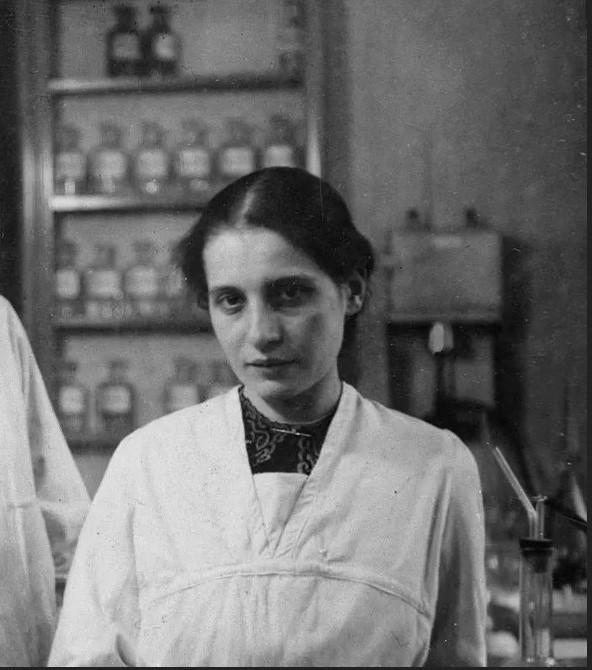
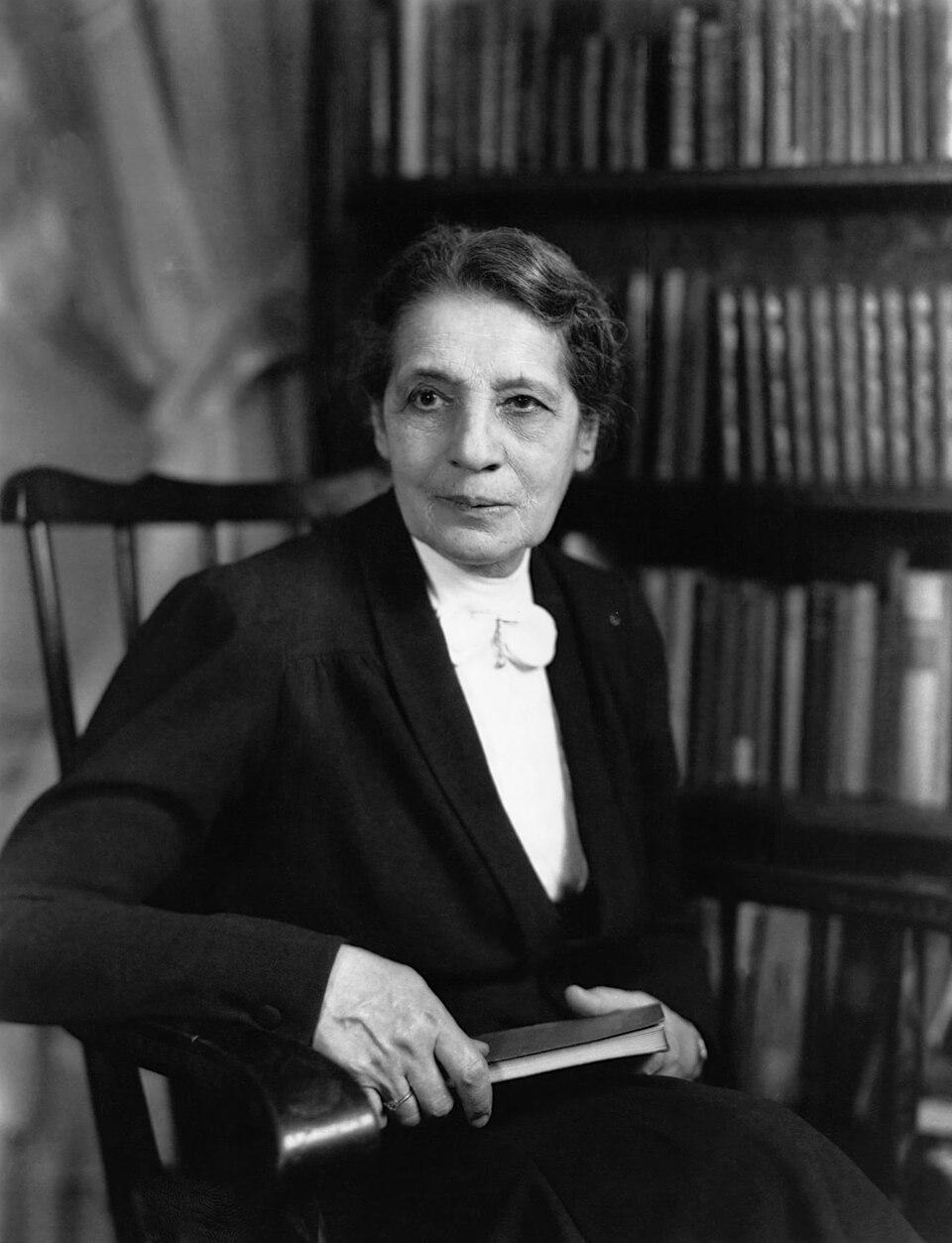
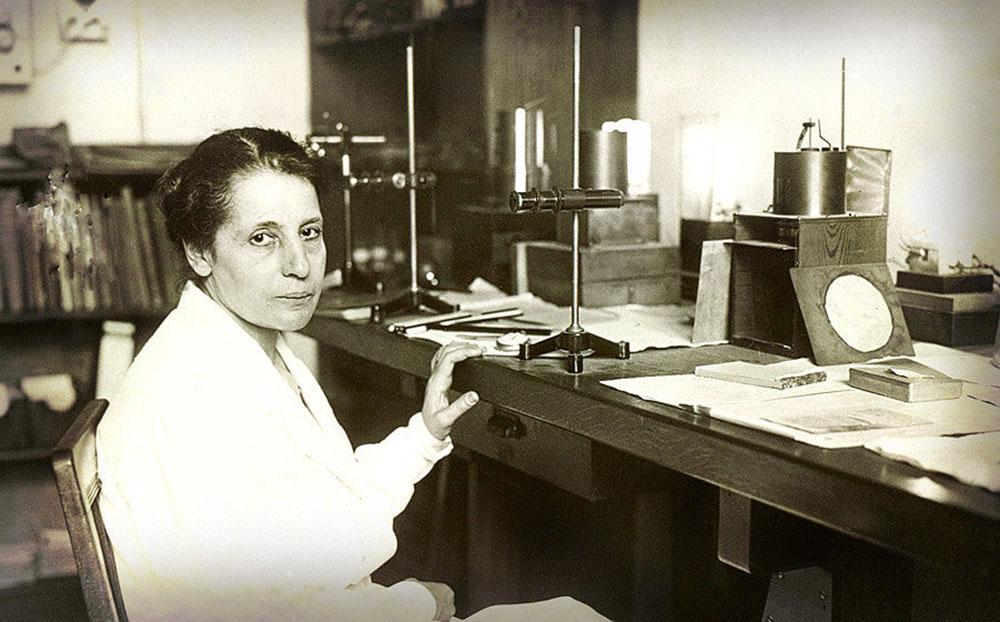
Meitner didn't believe this at first, but eventually her careful experiments forced her and everyone else to admit it was true. The energy bookkeeping just didn't add up properly!
(3/n)